

Kedé Lah: Rediscovering Cameroon’s “Village Banana” Through Agroecology
At City of Ubuntu Sanki, Cameroon, agroecology is about more than growing food. It is also about preserving local food traditions, supporting food security and rediscovering the value of crops that have long sustained communities.
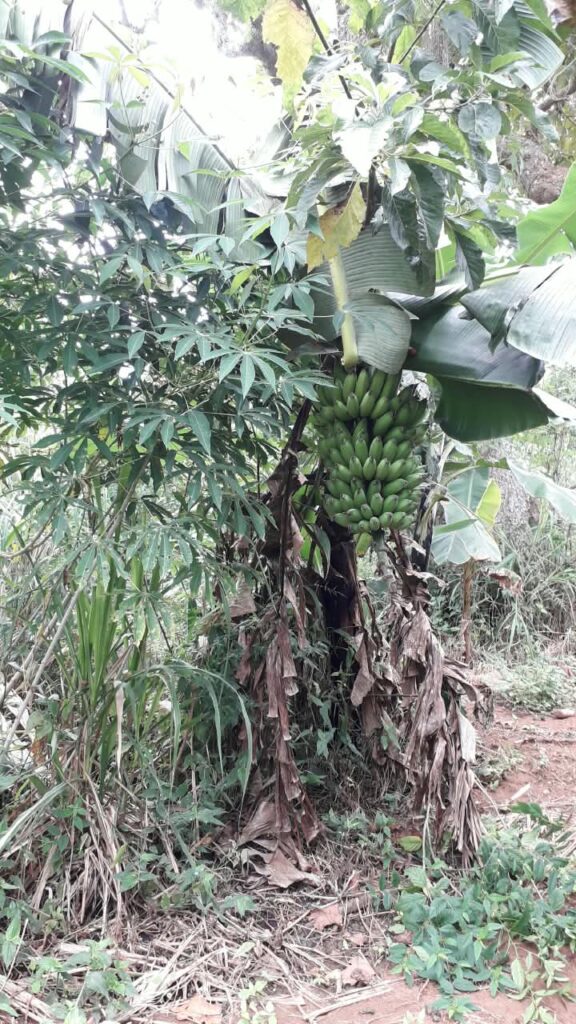
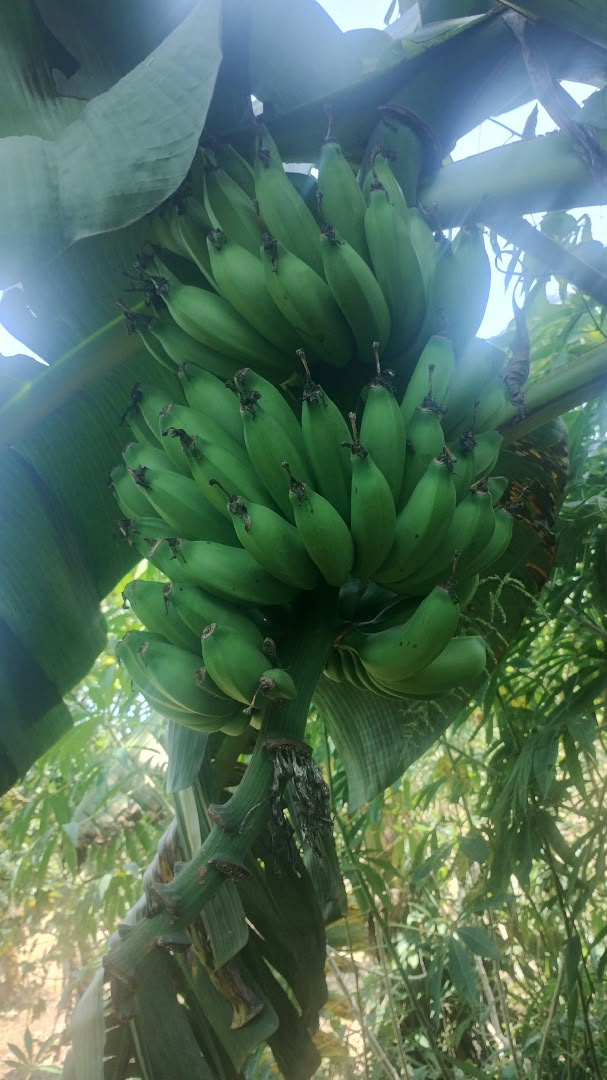
Among the different varieties of bananas grown on our land without synthetic chemical inputs is kedé lah, a local variety known in some communities as the “village banana” — and, more recently, as the “pig banana”.
For City of Ubuntu, cultivating this traditional crop is another way to contribute to the sustainable food system that our world urgently needs.
Kedé Lah: More Than Just Food
Kedé lah, as it is called in Ghomala, is a banana variety cultivated in Cameroon. In some parts of western Cameroon, its name reflects the strong connection it has with the local communities.
This connection has deep roots. The variety adapted particularly well to the climatic and environmental conditions of the region, known for its mountain ranges, and is recognised for its hardiness. It became an important ally in the fight against food insecurity, helping villages maintain their food autonomy.
Mothers could confidently give it to their children from an early age — something many people involved with City of Ubuntu know from personal experience.
Unlike dessert bananas, kedé lah was traditionally grown for local consumption rather than export. It was part of the region’s culinary heritage, a food produced by local communities primarily for their own communities.
Over time, however, this traditional banana began to lose its place as people increasingly came to favour dessert bananas and other varieties, often believing that what came from elsewhere was better.
The Cultural Importance of Plantain in Cameroon
In African tradition, and especially in the Grassfields region, plantain has great importance. It is offered to distinguished guests. It is also used for many rituals. It is connected to a number of beliefs and a certain spirituality. It is also used to prepare emblematic dishes.
Over time, plantain has become a major pillar of food security.
Once a sucker is available, it is planted in a prepared area and carefully tended until the time comes for harvest.
How the “Village Banana” Became the “Pig Banana”
As demand for kedé lah declined, surpluses became increasingly common. This was especially true because the variety multiplies quickly.
People discovered that pigs could eat the bananas without any particular problems. As less and less was consumed by people, more was given to pigs.
And so, the “village banana” became the “pig banana”.
But this was not the end of its story. The traditional variety would eventually attract renewed interest as communities began to rediscover the value of their culinary heritage.
Rediscovering Cameroon’s Traditional Food Heritage
Across Afro-Caribbean communities and beyond, movements to reconnect with cultural roots have also encouraged a renewed appreciation of traditional foods.
More and more people are recognising the value of older dishes and food traditions, believing that reconnecting with the ways people ate in the past can contribute to well-being. Dishes made with kedé lah are part of this rediscovery.
The variety also offers nutritional qualities that make it an interesting alternative to refined starchy foods. It is rich in starch and fibre and is described in the original account as having a moderate glycaemic index. Its nutritional profile is one reason for the renewed interest in this traditional crop.
Kedé Lah: Supporting Biodiversity and Sustainable Agriculture
The value of kedé lah goes beyond its role as food. The plant can also provide shade for other crops and help protect the soil. In this way, it contributes to a more diverse agricultural environment.
Rediscovering and cultivating traditional crops can therefore support several goals at once: preserving culinary heritage, making use of locally adapted varieties, strengthening food security and promoting agricultural practices that respect the environment.
At City of Ubuntu, we believe that a sustainable food system must take into account not only what we grow, but also the cultural knowledge, local resources and relationships that sustain communities.
Growing the Village Banana Agroecologically at City of Ubuntu Sanki
At our field in Sanki, City of Ubuntu cultivates kedé lah without synthetic chemical inputs.
By giving this traditional variety a place in our agricultural activities, we are helping to rediscover a crop that has long been part of local food culture. It is a practical expression of our commitment to agroecology, food security and a healthier relationship between people and nature.
The “village banana” deserves to be more than the “pig banana”. Its story reminds us that sustainable agriculture can also mean looking again at what communities have always known, valuing local heritage and giving traditional crops a future.
At City of Ubuntu Sanki, this rediscovery is already growing in the field.